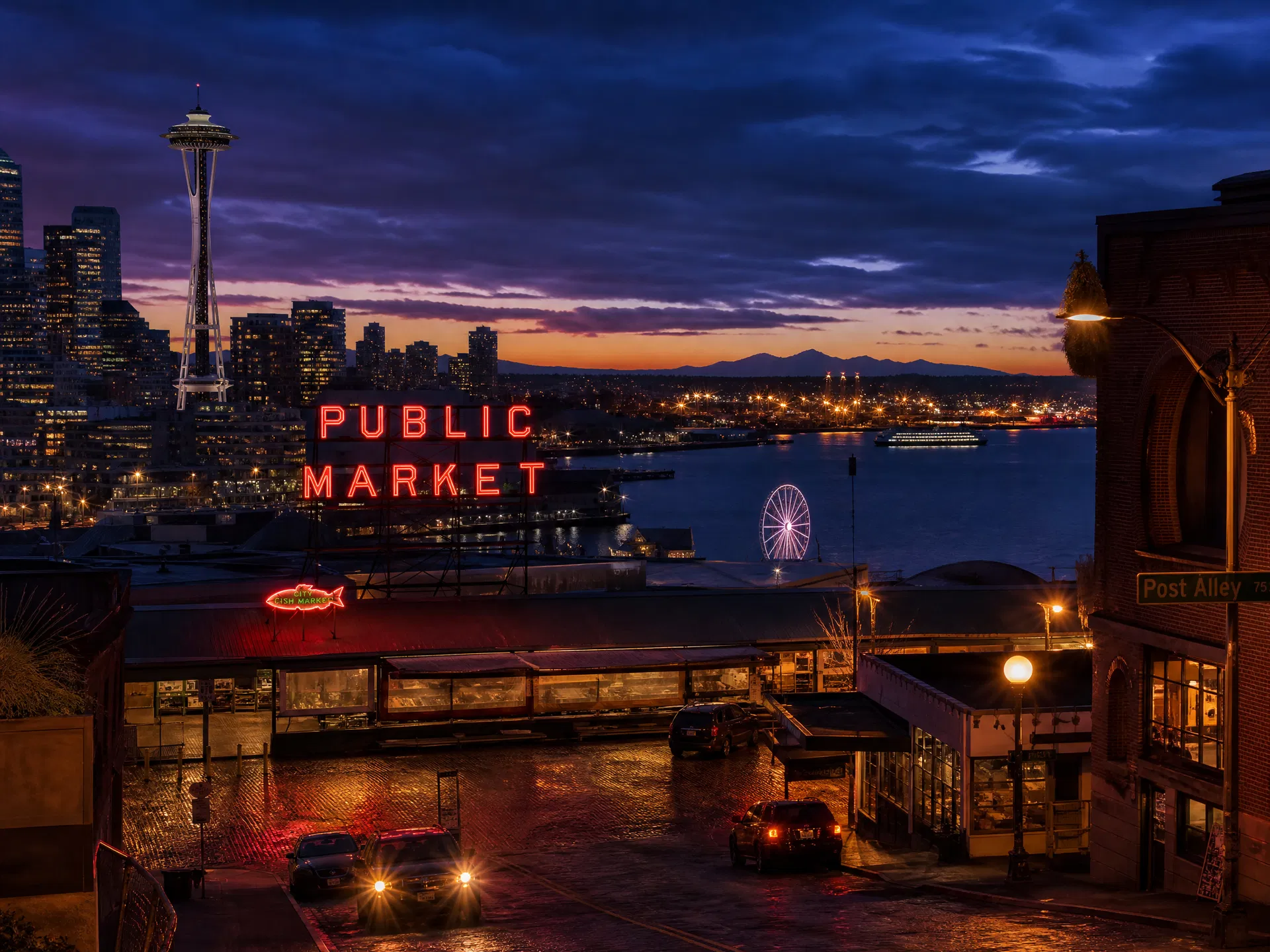
Seattle is where Starbucks was born, where the American commercial specialty coffee industry grew up, and where the cultural template for what a coffee shop could be was established in the 1980s and 1990s. The city has a complicated relationship with its own coffee history — the Starbucks origin story is both a point of pride and a source of anxiety for a specialty coffee scene that has spent thirty years trying to define itself against the company that made Seattle famous for coffee.
The Post-Starbucks Scene
The specialty coffee scene that developed in Seattle after Starbucks went national is genuinely excellent and genuinely distinct from the Starbucks model. Victrola Coffee Roasters, founded in 2000, is one of the anchors of the scene — a local roaster with multiple Seattle locations, a serious sourcing program, and a cafe culture that reflects the city's general character: technically serious, unpretentious, and slightly obsessed with filter coffee.
Lighthouse Roasters in Fremont is one of the oldest specialty roasters in the city, founded in 1993. The roasting is done on-site in a small, focused operation that has been supplying Seattle cafes for over thirty years. The cafe is not flashy, but the coffee is consistently excellent.
Caffe Vita has multiple Seattle locations and has been one of the defining voices in Seattle coffee since 1995. The espresso program is strong and the sourcing is transparent.
The Neighborhoods
Capitol Hill is the most concentrated area for specialty coffee in Seattle, with multiple excellent cafes within walking distance of each other. The neighborhood's density and walkability make it the best starting point for exploring Seattle coffee.
Fremont and Ballard are worth visiting for the neighborhood cafe culture — smaller, more local cafes that serve the community rather than tourists. The quality is high and the atmosphere is more relaxed than Capitol Hill.
The Filter Coffee Culture
Seattle has a strong filter coffee culture that is less visible than the espresso culture but equally serious. The city's coffee drinkers have been drinking carefully brewed filter coffee for decades, and the best Seattle cafes have pour-over and batch brew programs that are as developed as their espresso programs.
This filter coffee culture is one of the things that distinguishes Seattle from other American coffee cities. In New York, espresso dominates. In Seattle, filter coffee and espresso are equally important, and the best cafes take both seriously.
The Starbucks Question
Starbucks Reserve Roastery on Capitol Hill is worth visiting once, as a cultural artifact and as an example of what happens when a company with enormous resources applies them to the specialty coffee experience. The coffee is good. The space is spectacular. Whether it represents the future of specialty coffee or a theme park version of it is a question worth sitting with while you drink your pour-over.
Practical Notes for Visitors
Capitol Hill is the best starting point. The neighborhood is dense, walkable, and has the highest concentration of serious specialty cafes in the city. Victrola on Pike, Analog Coffee, and several other excellent cafes are within a short walk of each other.
Seattle's weather is what it is. The rain and grey skies that define the city for much of the year are part of why the cafe culture is so strong — people need warm, comfortable places to spend time indoors, and the cafes have evolved to meet that need. The best Seattle cafes are designed for lingering.
The light rail connects Capitol Hill to the airport and to other neighborhoods. If you are arriving by plane, the light rail to Capitol Hill is the most direct route to the best coffee in the city.
How to Navigate the Scene
Capitol Hill is the best starting point. Take the light rail to Capitol Hill station and walk — the neighborhood is dense and walkable, and the concentration of good cafes makes it easy to visit several in an afternoon. Victrola on Pike, Analog Coffee, and Broadcast Coffee are all within a short walk of each other.
Fremont and Ballard require a bus or a bike ride from Capitol Hill, but they are worth visiting for the neighborhood cafe culture. Lighthouse Roasters in Fremont is one of the oldest specialty roasters in the city and one of the most consistent.
What to Order
Seattle's filter coffee culture means that the pour-over and the batch brew are as important as the espresso at most specialty cafes. Order a filter coffee alongside your espresso drink to understand the full range of what a cafe is doing. The best Seattle cafes have pour-over programs that are as developed as their espresso programs, and the filter coffee often tells you more about the sourcing than the espresso does.
The flat white is the most popular espresso drink in Seattle's specialty cafes — the Australian influence that shaped the city's coffee culture in the 2000s is still visible in the menu. A well-made flat white at a serious Seattle cafe is one of the better espresso experiences in the country.