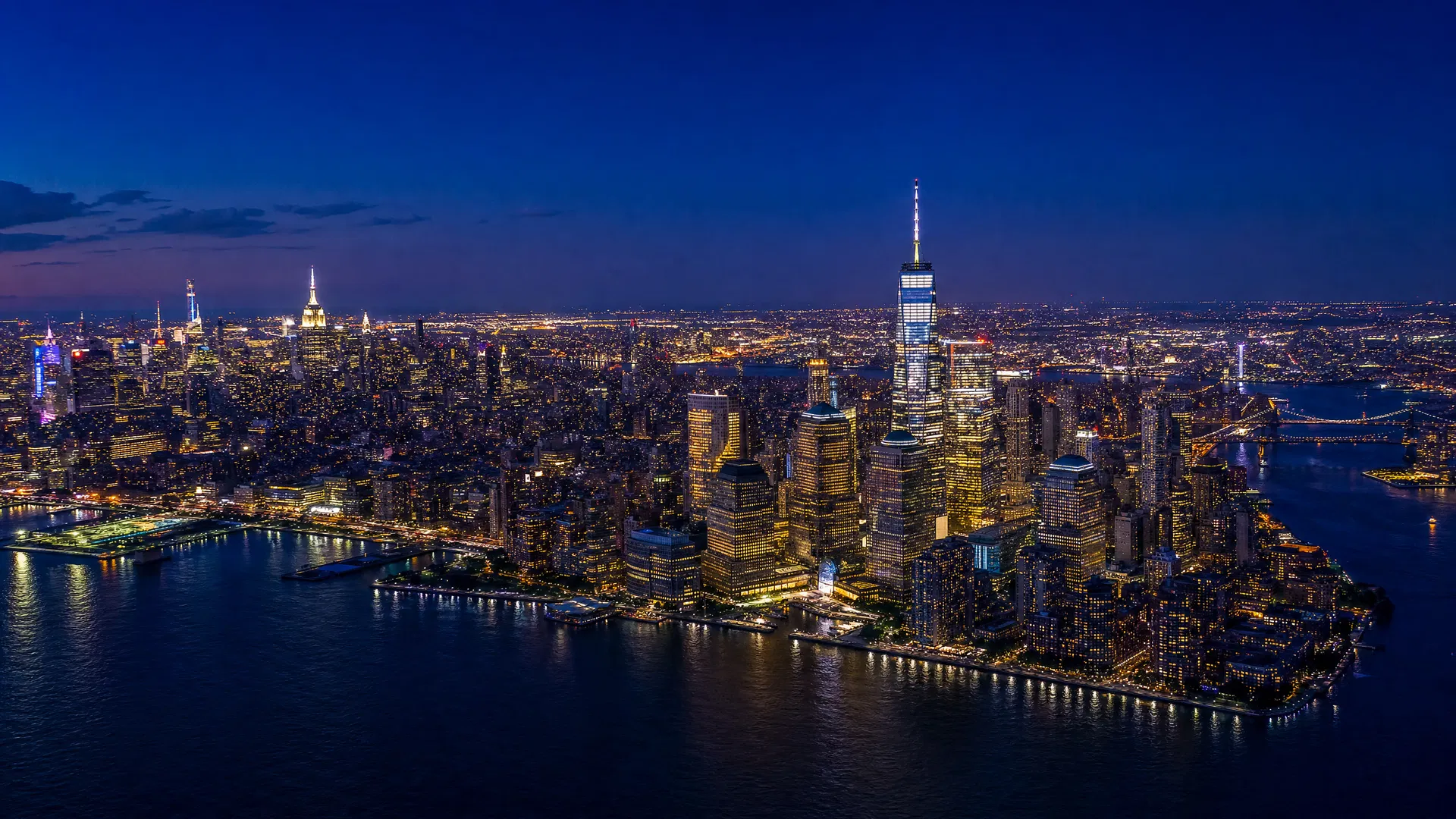
New York City has more coffee shops per square mile than almost any city in the world, which makes the question of where to go both easier and harder to answer. Easier, because excellent coffee is rarely more than a few blocks away. Harder, because the signal-to-noise ratio is genuinely difficult to navigate without local knowledge.
The city's specialty coffee scene has matured significantly over the past decade. What was once a handful of pioneering roasters has expanded into a dense ecosystem of independent shops, each with a distinct identity and sourcing philosophy. The following guide focuses on the cafes that have earned their reputations through consistency, sourcing quality, and a genuine commitment to the craft.
Brooklyn: Where the Scene Took Root
Brooklyn remains the center of gravity for New York's specialty coffee culture. Devoción in Williamsburg is perhaps the most discussed cafe in the borough, and for good reason. The shop sources directly from Colombian farms — a direct-trade model that Portland's Stumptown pioneered and that has since become standard practice across the best American roasters., with a turnaround from harvest to roast that is unusually short — often under ten days. The result is a cup that tastes genuinely fresh in a way that most roasted coffee does not. The space itself is built around a living wall of tropical plants, which sounds theatrical but works.
Variety Coffee Roasters, with multiple Brooklyn locations, has built a reputation for consistency and accessibility. The espresso is well-calibrated, the staff are knowledgeable without being precious about it, and the shops are designed for the kind of long, unhurried morning that Brooklyn weekends are made for.
Kinship Coffee in Greenpoint operates on a smaller scale, with a focus on single-origin filter coffee and a rotating espresso menu. It is the kind of shop that rewards regulars — the menu changes frequently, and the baristas are genuinely interested in talking about what they are serving.
Manhattan: Neighborhoods Worth Knowing
The West Village has one of the highest concentrations of good coffee in Manhattan — a density that rivals London's Notting Hill and Soho for independent specialty cafes per block. Café Kitsuné, the coffee arm of the French fashion label, occupies a small space on Grove Street and serves a tight menu of espresso drinks made with beans sourced from a rotating cast of specialty roasters. The quality is high and the space is beautiful, though it fills quickly on weekends.
Maman, with several Manhattan locations, has become a fixture of the city's cafe culture. The aesthetic leans French — marble counters, wicker chairs, the smell of baked goods — and the coffee is reliably good. It is not the most adventurous option in the city, but it is one of the most consistent.
Seven Grams Caffe in Midtown is worth knowing for its espresso program, which uses a house blend developed specifically for the city's water chemistry. It is a detail that most cafes ignore and that makes a measurable difference in the cup.
In Lower Manhattan, the Sprudge guide to cafes south of 14th Street identifies a cluster of shops in the Financial District and Tribeca that have improved significantly in recent years. Felix Roasting Co. on Park Avenue South is one of the more visually striking cafes in the city, with a multi-story space and a serious commitment to single-origin espresso.
The TikTok Effect: Viral Cafes Worth Visiting
Social media has had a complicated effect on New York's coffee scene. Some of the most-photographed cafes in the city are also among the most mediocre. But a few shops have earned their viral status through genuine quality.
ENLY in Midtown has attracted significant attention for its Japanese-influenced coffee program, including a matcha espresso hybrid that has been widely shared on TikTok. The coffee is genuinely interesting, not just photogenic.
Aimé Leon Dore, the New York menswear label, operates a cafe inside its flagship store on Mulberry Street. The coffee is sourced from Counter Culture and prepared with care. It is also one of the few places in the city where you can buy a $400 sweatshirt and a very good flat white in the same transaction.
Queens and the Outer Boroughs
Queens is underrepresented in most New York coffee guides, which is a mistake. The borough's immigrant communities have brought coffee traditions from across the world — Turkish coffee in Astoria, Vietnamese drip in Flushing, Ethiopian pour-overs in Jamaica. These are not specialty coffee shops in the third-wave sense, but they represent a depth of coffee culture that the more curated Manhattan scene cannot match.
For specialty coffee specifically, Coffeed in Long Island City is worth the trip from Manhattan. The roastery is on-site, the sourcing is transparent, and the space has a warehouse quality that feels appropriate for the neighborhood.
What to Expect
New York coffee prices have increased substantially in recent years. A well-made espresso drink at a specialty shop now typically costs between $6 and $9, which reflects both the quality of the ingredients and the cost of operating in the city. Filter coffee is generally less expensive and often the better value at shops with a serious roasting program.
The city's coffee culture has also become more comfortable with slower service. The third-wave ethos of careful preparation — precise grinding, calibrated extraction, attentive pouring — has filtered into enough shops that waiting two or three minutes for a well-made espresso is now unremarkable. If you are in a hurry, the bodega coffee is also excellent, and that is not a joke.
A Note on Neighborhoods
The best approach to New York coffee is to pick a neighborhood and walk. The shops listed here are anchors, but the city's density means that genuinely good coffee often exists in places that have not yet appeared on any list. The West Village, Williamsburg, and the Lower East Side are the most reliable starting points. The Financial District and Midtown have improved more than most people realize. And Brooklyn, as always, rewards the willingness to go one stop further on the subway than you planned.
The Neighborhoods That Define NYC Coffee
Williamsburg, Brooklyn is the epicenter of New York's specialty coffee scene. The neighborhood's concentration of young professionals, creative workers, and food-focused residents created the demand that attracted serious roasters. Toby's Estate Coffee, which originated in Sydney and opened its Williamsburg location in 2012, brought Australian coffee culture to Brooklyn and helped establish the neighborhood's coffee identity. Oslo Coffee Roasters, which has operated on Roebling Street since 2003, is one of the oldest specialty cafes in the city and remains one of the best.
Lower East Side and East Village have a denser, more urban coffee culture. Abraco Espresso on East 7th Street is a tiny, standing-room-only espresso bar that has been one of the best in the city since 2008. The format — minimal seating, exceptional espresso, no frills — is the opposite of the large, airy cafes that dominate other neighborhoods, and it works.
Midtown has improved significantly in the past decade. Blue Bottle Coffee's Rockefeller Center location and Gregory's Coffee (a New York-based chain with genuine quality standards) have raised the baseline for office-district coffee. The days when Midtown meant only Starbucks are over.
Upper West Side has a more neighborhood-oriented coffee culture. Joe Coffee Company, which started on Waverly Place in the West Village in 2003, has multiple Upper West Side locations and consistently excellent espresso. It is the most reliable choice in the neighborhood.
The NYC Espresso Standard
New York espresso culture was shaped by Italian-American traditions before specialty coffee arrived. The city has a long history of dark-roast espresso served fast and consumed standing at the bar — a tradition that survives in old-school Italian cafes in the Bronx and Brooklyn. Specialty coffee arrived on top of this existing culture, creating a city where you can find both a $7 single-origin pour over and a $1.50 espresso at a deli counter within the same block.
The specialty coffee standard in New York has converged around medium roasts with clean, balanced flavor profiles. The city's water — which is naturally soft and slightly acidic — is considered among the best in the country for coffee brewing, and many New York baristas believe it contributes to the quality of the city's espresso.
Practical Notes
New York cafes are expensive by national standards. Expect to pay $5-7 for a latte and $4-5 for a drip coffee at a quality independent cafe. The price reflects the city's real estate costs, not the quality of the coffee.
Seating is scarce at the best cafes, particularly on weekend mornings. If you need to work or sit for an extended period, visit on weekday afternoons. Many of the best cafes in the city are designed for quick consumption — espresso at the bar, coffee to go — rather than extended stays.