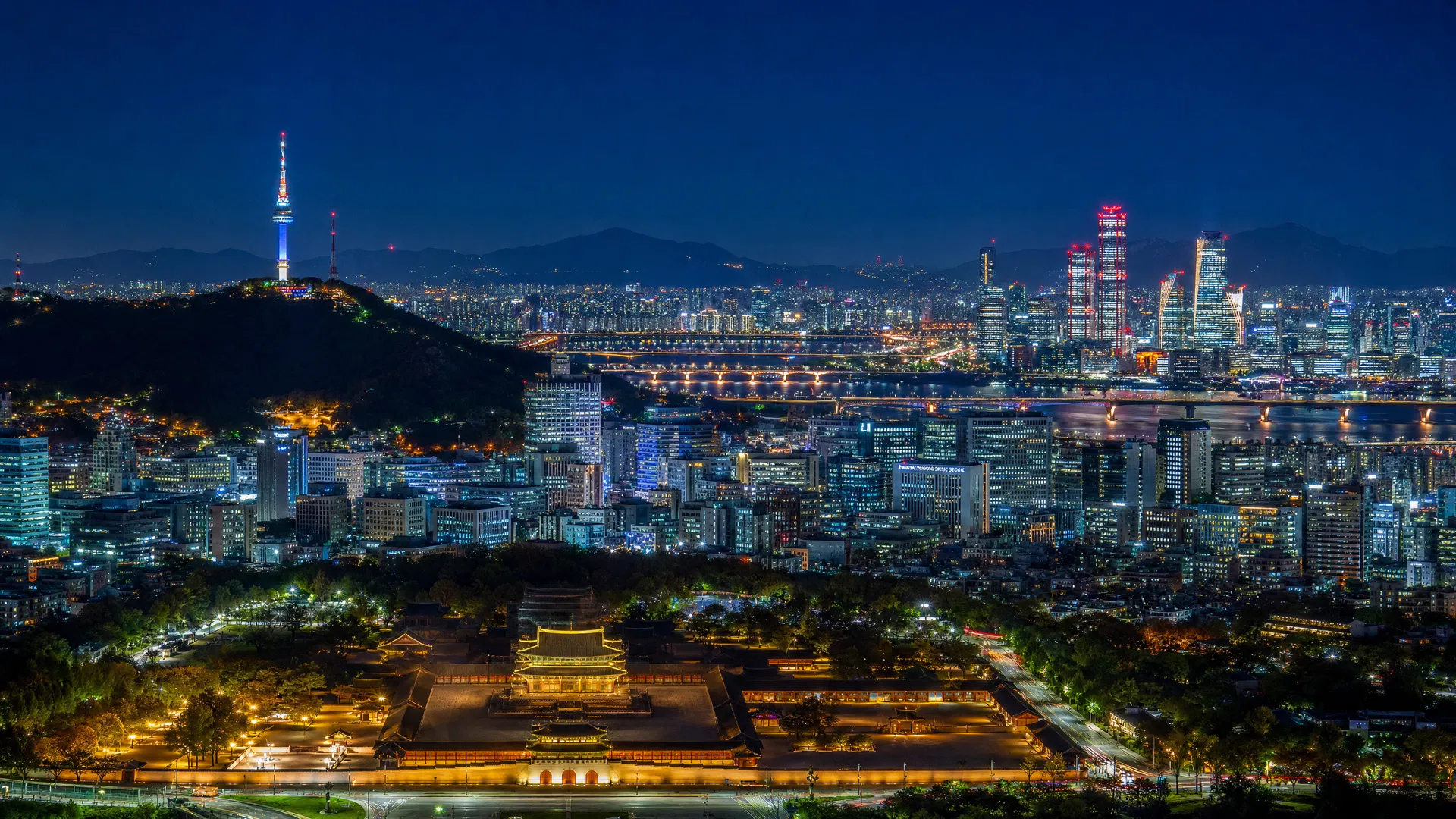
Seoul's Coffee Culture: Density, Design, and Obsession

Seoul has more coffee shops per capita than any other major city in the world. That is not a casual observation — it is a documented fact that has been confirmed by multiple urban studies and is immediately apparent to anyone who walks through Seongsu-dong, Yeonnam-dong, or the Bukchon Hanok Village area. The city's relationship with coffee is different from Tokyo's precision-driven approach or Melbourne's flat-white culture. Seoul's coffee scene is defined by three overlapping obsessions: design, novelty, and quality — roughly in that order, though the ranking shifts depending on which neighborhood you are in.

The result is a city where the café experience is often as much about the space as the cup. Seoul has produced some of the most architecturally remarkable coffee shops in the world — converted factories, century-old hanok buildings, brutalist concrete spaces, and multi-story concept cafes that function as art galleries, bookshops, and event spaces simultaneously. But beneath the design spectacle, the coffee quality has risen to match. Seoul now has a generation of baristas who trained in Melbourne, Copenhagen, and Tokyo and returned home with the technical skills to compete at the highest level.

Seongsu-dong: The Brooklyn of Seoul

Seongsu-dong, on the east bank of the Han River in Seongdong-gu, is Seoul's most talked-about coffee neighborhood and the one that most closely resembles the industrial-chic aesthetic of Brooklyn or Shoreditch. The neighborhood was a leather goods manufacturing district until the early 2010s, when the combination of cheap rents and large factory spaces attracted the first wave of specialty coffee shops and creative businesses. The transformation has been rapid and comprehensive.

Daelim Warehouse is the neighborhood's most iconic space — a converted industrial building with ceiling heights that make the espresso bar feel like a cathedral. The coffee is excellent (they source from direct-trade farms in Ethiopia and Colombia), but the space is the main event, and it is worth visiting even if you are not a coffee enthusiast. Nearby, Fritz Coffee Company has built one of the strongest reputations in the city for both espresso and filter coffee, with a sourcing program that emphasizes transparency and a barista team that has competed at the World Barista Championship level.

Yeonnam-dong: The Neighborhood Café Scene

Yeonnam-dong, adjacent to Hongdae in Mapo-gu, has a different character from Seongsu — smaller, more residential, with a café culture that feels more embedded in the neighborhood than designed for Instagram. The streets around Yeonnam-dong Park are lined with independent coffee shops, most of them small, most of them excellent, and most of them run by owner-operators who take the coffee seriously.

Café Bora is the neighborhood's most famous export — known internationally for its purple taro lattes and visually striking presentation — but the espresso program is genuinely good, not just photogenic. For more serious filter coffee, Namusairo on the Yeonnam-dong main street has one of the best rotating single-origin menus in the city, with a particular strength in Kenyan and Yemeni coffees that are difficult to find elsewhere in Seoul.

Insadong and Bukchon: Coffee in a Hanok

Insadong and the adjacent Bukchon Hanok Village area offer something that no other coffee neighborhood in Seoul can match: the experience of drinking excellent coffee in a centuries-old traditional Korean house. Several of the best cafes in this area have converted hanok buildings — with their characteristic curved tile roofs, wooden beams, and central courtyards — into coffee spaces that are among the most beautiful in the world.

Café Onion Anguk, in a restored hanok near Gyeongbokgung Palace, is the most celebrated. The space is extraordinary — multiple rooms across a traditional courtyard, each with a different atmosphere — and the coffee is strong enough to justify the visit on its own merits. The espresso is sourced from a local roaster with a focus on washed Ethiopian and Colombian lots, and the pastry program is exceptional. Expect a queue on weekends; it is worth it.

Gangnam: Precision and Prestige

Gangnam, the affluent district south of the Han River, has a coffee scene that reflects its character — polished, expensive, and technically precise. The neighborhood's cafes tend to be larger, better-funded, and more design-forward than those in Seongsu or Yeonnam, with a clientele that expects a certain level of service and presentation.

Anthracite Coffee Roasters, which has multiple locations across Seoul but is particularly strong in the Gangnam area, is one of the city's most respected roasters. Their sourcing is direct-trade, their roasting is light and precise, and the espresso bar at their flagship location is staffed by baristas who can discuss the processing method of every coffee on the menu. For a more intimate experience, Felt Coffee in the Sinsa-dong area of Gangnam has built a devoted following for its single-origin filter program and its willingness to serve coffees that most shops would consider too challenging for a general audience.

Practical Information for Coffee Visitors

Seoul coffee shops generally open between 8:00 and 10:00 AM and stay open late — many specialty shops remain open until 10:00 PM or later, which is unusual by global standards and reflects the city's late-night culture. Most shops accept card payment, and many have English menus or English-speaking staff, particularly in Seongsu-dong and Yeonnam-dong. The T-money card (Seoul's transit card) is the most efficient way to move between neighborhoods; the subway system connects all major coffee districts efficiently.

Korean coffee culture has a strong tradition of the dalgona (whipped coffee) and various cold brew formats, but at specialty shops the menu is typically espresso-based and filter-based in the international style. Asking for a "hand drip" will get you a pour-over; "drip coffee" typically means batch brew. The price point at Seoul specialty shops is generally lower than equivalent quality in Tokyo, London, or New York, making it one of the best-value coffee cities in the world for serious drinkers.

The Seoul Coffee Scene in Context

Seoul's coffee culture is evolving faster than almost any other city in the world. New shops open weekly, roasters are increasingly competing at international level, and the design vocabulary of the Seoul café — industrial, minimal, architecturally ambitious — is influencing coffee shop aesthetics globally. The city is worth visiting specifically for the coffee, and the combination of extraordinary food, efficient public transit, and a café scene that is open late makes it one of the most rewarding coffee travel destinations available.